In a recent article for RealClearMarkets, Market Institute Senior Fellow Norm Singleton examines the firings of Roger Alford, Deputy Assistant Attorney General for Antitrust, and William Rinner, the Antitrust Department’s head of merger enforcement. Their dismissal in July highlights a deepening divide over how the Trump administration should approach antitrust enforcement.
Singleton explains that the firings stemmed from “insubordination” related to the Justice Department’s decision to drop a lawsuit challenging Hewlett-Packard Enterprises’ acquisition of Juniper.
“The lawsuit blocking the merger was the first antitrust suit filed in the Trump 2.0 Administration. The suit was motivated by concerns that HPE and Juniper are two of only three companies that provide internet services for large organizations—like major corporations and universities. However, even after it acquires Juniper, HPE will control less than 30% of the WiFi market.”
The DOJ ultimately dropped the case after HPE agreed to divest its Instant One business, though questions were raised since Instant One does not provide WiFi to large organizations.
Norm also notes how political influence played into the controversy, with revelations that HPE had paid MAGA influencers to lobby department officials to settle the case. Roger Alford, in particular, framed the fight as a battle between “genuine MAGA reformers” and “MAGA in name only” lobbyists.
But Singleton cautions against taking that framing at face value:
“It is just as likely that advocates for denying a merger or acquisition are on the payroll of a company that would benefit from continuing to compete with two smaller companies rather than one large one. Therefore, the division between true believers and hired guns is not as simple as Alford claims.”
At the heart of this debate is the consumer welfare standard, the long-standing principle that antitrust enforcement should focus on how business practices affect consumers. Developed by Judge Robert Bork and embraced on a bipartisan basis for decades, this standard prioritizes consumer outcomes rather than political populism.
Singleton argues that abandoning this principle in favor of a more aggressive antitrust approach, as advocated by Alford and his allies, risks harming the very people they claim to defend—workers, investors, consumers, and the economy as a whole.
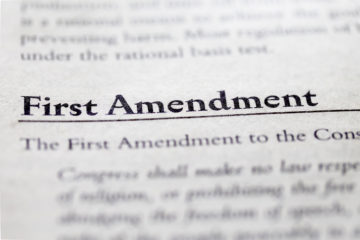
Finally, Singleton reminds us that the First Amendment protects the right of businesses to petition government officials. Efforts to demonize lobbying, he writes, ignore that constitutional guarantee:
“HPE was exercising their constitutional right to petition the government when they hired MAGA influencers to plead their case before Justice Department officials.”
Ultimately, Singleton concludes, the real battle is within the MAGA movement itself—between those who would mirror Biden-era antitrust activism and those who wish to restore a free-market, consumer-focused approach. The direction the Trump administration takes will have profound consequences for the American economy.